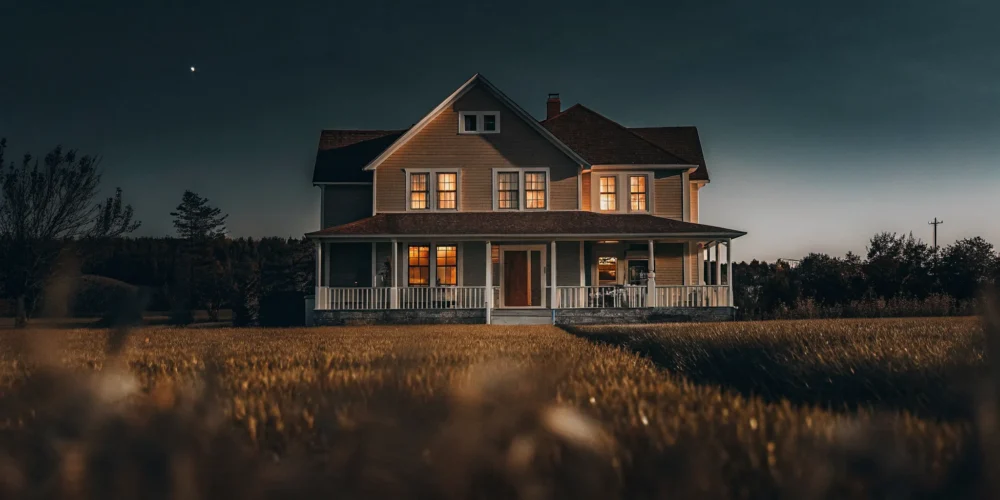
Buying a home with zero down payment is a reality for many rural and suburban buyers today. This federal program provides a unique path for households to move into a primary residence without a large upfront cost.
The USDA loan requirements define who can qualify for 100% financing through the Section 502 Guaranteed Loan Program for low and moderate income households. To qualify, you must keep a household income below 115% of the local median income and live in the home as your main residence. The property must be in a set rural zone, which often covers small towns and suburbs that make up 97% of the U.S. landmass. Based on USDA Rural Development, these rules let buyers get safe housing by meeting credit and location standards. These rules help families find a path to owning a home without needing large cash reserves for a down payment.
Understanding how these rules apply to your finances is the first step toward a good loan process. Looking at What Are USDA Loan Requirements? helps you see if you qualify to compare mortgage rates anonymously on Visbl. The path begins with
What Are USDA Loan Requirements?
The Section 502 Guaranteed Loan Program helps home buyers with low to moderate income get a primary home in rural spots. This program lets lenders offer 100% financing for qualified people. This means you can buy a home with no down payment if you meet the rules set by the USDA.
Citizenship and residency rules
To get a USDA loan, you must show that you are a U.S. citizen or a U.S. non-citizen national. The program is also open to those who are qualified aliens with legal status. You must have a valid social security number and the right to live and work in the country to move forward with your request.
These rules ensure that the benefits of the program go to those who plan to stay and build their lives in the area. When you USDA loan shopping steps, having these papers ready helps the process go faster. Most lenders will ask for proof of your status early in the work flow.
Primary home and location
A key rule for this loan is that the home must be your primary residence. You must plan to live in the home yourself rather than using it as a rental or a second home. The USDA wants to help people find a safe and clean place to live, not help investors buy more land.
The home must also be in an eligible rural area. While “rural” sounds remote, about 97% of the land in the U.S. fits this mark. You can use the official USDA eligibility site to check if a specific house address fits the map. This tool helps you see if a home meets the rural definition before you get too far in the buy process.
Income limits and AMI
The USDA loan program is for people with moderate income. Your total house income cannot be more than 115% of the median income for your area. This is known as the Area Median Income or AMI. The USDA sets these limits to make sure the program helps those who need it most.
When lenders look at your income, they count everyone in the house who earns money. They will check your pay stubs and tax forms to see if you fit the limit. If your income is too high, you might not qualify for this specific loan but could look at other paths. You can start comparing mortgage rates now to see how different loans fit your budget.
Zero Down Payment: How USDA 100% Financing Works
Most home buyers think they must save a lot of money before they can buy a house. But the USDA loan program offers 100% funding to help people move into their own homes. This means you do not need to make a down payment at all if you meet the rules. Along with the VA loan, this is one of only two major mortgage types that allow for zero down payment. This program helps families with low to mid incomes find safe and modest homes in rural areas.
The role of the 90 percent federal backing
You might wonder why a bank would give a loan for the full price of a home without any cash upfront. The answer is the federal backing from the USDA. The agency gives a 90% loan note backing to the private banks that join the program. This backing lowers the risk for the bank. If a borrower cannot pay back the loan, the USDA covers a large part of the loss. This setup makes it easier for banks to offer zero down payment options to those who fit the rules.
This help from the government allows banks to work with buyers who may not have much cash in the bank. Since the USDA backs the loan, the lender feels safe. This safety net is what makes the 100% funding model work for everyone. When you start comparing mortgage rates, you will see how this backing keeps monthly costs low even without a down payment. It helps you keep more cash for other home needs.
No monthly mortgage insurance fees
Another big plus of this program is how it handles fees. Most loans with less than a 20% down payment need private mortgage insurance. This is an extra monthly fee that protects the bank. FHA loans always require this monthly cost. USDA loans are different because they do not use that type of fee. Instead, they use a small upfront fee and a yearly fee that is usually lower than other loans. This helps lower your total monthly payment.
Lowering the monthly cost is key for many first-time buyers. Every dollar saved on fees is a dollar that can go toward your loan or other costs. By removing the need for the usual fees, the USDA makes it easier to own a home for a long time. You get the benefit of no money down without the high cost of extra fees. This makes the USDA loan a very strong tool for those who want to build wealth by owning a home.
Choices for rural home buyers
The 100% funding rule does not just apply to buying a new house. You can use these funds to build a home from the ground up or to fix an old one. The program also allows for the repair and fixing of a house in a rural area. This gives you more choices when you search for a place to live. You are not limited to homes that are ready for move-in. You can find a house that needs work and use your loan to make it safe and clean.
This wide range of use is part of why the program is so popular. It supports the growth of rural towns by helping people fix up older homes. Whether you want to buy, build, or move, the 100% funding choice stays the same. It gives a path to owning a home that does not rely on years of saving. For many, this is the fastest way to get out of a rental and into a home of their own.
USDA Loan Credit Score and DTI Requirements
Buying a home in a rural area involves meeting clear financial goals set by the USDA. These rules ensure that you can repay your loan while using the 0% down payment choice. To start, you can comparing mortgage rates to see how these needs change your monthly costs.
Minimum credit score standards
Most lenders look for a credit score of at least 580 to qualify for a USDA loan. This score lets the lender use a fast tool to check your file. While the USDA does not set a hard limit, a score of 580 is the usual mark to show you can handle credit. If your score is lower, you may still qualify if a person checks your history by hand, but this takes more time.
A higher score often helps you get better terms from loan officers. Borrowers with scores above 640 usually get a faster path to a yes. Because the government backs these loans with a 90% note guarantee, lenders can be more helpful than they are with other loans. Based on USDA guidelines, the program helps families with low or mid-level pay find safe and clean homes.
Understanding DTI ratios
Your debt to income (DTI) ratio is a key tool lenders use to see if you can pay your bills each month. The USDA usually looks for a total debt mark of 41% or less. This means all your monthly debt and your new house pay should not take more than 41% of your pay before taxes. This 41% DTI limit helps make sure you do not take on too much debt.
Lenders also check your house cost on its own. The goal for a USDA loan is a house pay that is 29% or less of your pay before taxes. These two marks work to keep your budget safe. If you have big savings or a high credit score, some lenders may let you have a higher mark, but 29/41 is the main guide for most people.
Comparing USDA to FHA and other loans
USDA loan needs are often more kind than other loans but focus on different areas than FHA plans. While a standard loan might need a 620 score and a down payment, a USDA loan allows 0% down. This makes it a great pick if you fit the pay and area rules. FHA loans also have low down payment needs, but they have fee costs that can last for the whole life of the loan.
When you look at the full cost of a loan, the USDA pick often gives a lower monthly pay for rural buyers. You should use a tool to look at real cost in dollars instead of just a rate. Looking at these plans side by side helps you find the best fit. If you are ready to see what you can get, you can read about USDA loan shopping steps to get your file ready for a lender.
USDA Loan Income Limits: What You Need to Earn
The USDA home loan program helps people with low or middle incomes buy homes. To qualify, you must show that your household makes less than the set limit for your county. These rules make sure the program helps the families who need it most. Standard loans often have no upper income caps. In contrast, the USDA has strict rules about how much money you can make to get a zero-down mortgage.
Most people start by comparing mortgage rates to see how these loans fit their budget. Knowing the income rules is the first step. The state looks at all the money made by every adult in your home. This is true even if they are not on the loan. This total must stay below the local cap to keep your USDA loan requirements status when you apply.
The 115% Median Income Rule
The main rule for these loans is based on the local median income. Your total household income cannot be more than 115% of the median income for the area where you want to buy. This means the limits change based on where the house is. If you live in a place where it costs a lot to live, your limit will be higher. This rule helps the program stay fair for people across the whole country.
Lenders will check your total pay from all jobs. This includes your base pay, bonus pay, and any extra hours you work. They also look at money from other adults living in the house who will live there as their main home. You must show proof of this income. Use tax forms and pay stubs from the last two years. This helps the lender see that your pay is steady and will likely stay that way.
Current Income Caps for 2026
The state sets new income limits every few years to keep up with costs. In 2026, the base income limit for a home with one to four people is $119,850. If your family is larger, the limit goes up. For a home with five to eight people, the limit is $158,250. These are the base rates, but they can be much higher in counties with very high home prices.
These caps apply to the Guaranteed Loan Program. If your income is very low, you might look into the Direct Loan program. Direct loans are for families with low pay and offer extra help with monthly costs. Most people who use Visbl to find a loan officer want the Guaranteed program. It works through private lenders and offers faster service for those who meet the 115% rule.
How Household Size and Credits Matter
Your household size plays a big role in your final income limit. A large family needs more money to cover daily costs. So, the USDA allows higher pay for larger groups. You can also use certain credits to lower your total income for the check. For example, you can deduct costs for childcare for kids under 12 years old. You may also deduct health costs for elderly family members who live with you.
These credits help many families qualify even if their pay is a bit over the limit. It is smart to talk about these numbers with a pro before you stop. You can use USDA loan shopping steps to find a partner who knows these rules. They can help you find your final income to see if you fit the rules. Taking the time to do this math can save you from a hard no later in the home buying process.
Where Can You Buy With a USDA Loan?
The term rural might make you think of farms or remote cabins. But USDA loan requirements cover a much larger area than many people expect. In fact, about 97% of the land in the United States is eligible for these loans. This includes many small towns and suburbs where you can find neighborhoods and local shops. The goal of the program is to help people own modest homes in areas that the government calls rural. Because so much land is open, you have many choices for your new home.
What counts as a rural area
The USDA uses population tiers to decide if a town is eligible. Most areas with fewer than 10,000 residents fit the rules by default. Some towns with 10,000 to 20,000 people also qualify if they sit outside a Metropolitan Statistical Area (MSA). In some cases, towns with up to 35,000 residents can keep their status if they were once rural but grew over time. These rules ensure that families can use a USDA Guaranteed Loan to buy safe homes in their local areas.
Because populations change, the USDA updates its maps every five years based on new census data. When an area grows too large, it may lose its rural status. If you find a home in a border area, you should check the map early in your search. You can comparing mortgage rates for these spots on Visbl without giving up your data. This keeps your search private and helps you avoid unwanted spam calls while you shop for a home.
How to check property eligibility
The best way to see if a house qualifies is to use the official USDA eligibility website. You can enter a street address or look at a map to see shaded areas that mark where you can buy. This tool is helpful because it shows clear lines between eligible and ineligible spots. Often, one side of a road might qualify while the other does not because of city limits. Checking the map is a key step before you fall in love with a specific house.
Think of a typical small town suburb about 30 minutes from a large city. If that town has 15,000 people and is not part of the city’s main hub, it likely qualifies. You might find a three-bedroom house on a standard lot that meets all the property standards for the program. These homes must be modest in size and cost compared to other local homes to fit the “adequate housing” rule. This helps keep the program focused on helping people get into their first homes.
The modest housing standard
USDA loans are for primary homes, not luxury estates or working farms. The property must meet basic safety rules and be in good shape. While you do not need to buy a farm, the house must be a modest home for the area. This usually means it should not have high-end features like a pool that adds a lot of value. The loan is for families who need a decent place to live, not for investment homes or vacation spots. Keeping things modest helps the program serve more people.
The USDA requires that the home is your main place to live. By focusing on these modest homes, the program keeps its funds ready for people who need them most. Before you start your search, it helps to see what your monthly costs might look like. You can use Visbl to compare USDA loan rates anonymously. This lets you shop with confidence and find a home that fits your budget in an eligible area without the stress of sales calls.
USDA Loan vs FHA vs Conventional: Which Is Right for You?
Choosing a mortgage starts with comparing the major loan types. Each program has its own rules for credit scores, down payments, and where you can buy a home. While many buyers focus on local banks, comparing mortgage options helps you find the lowest total cost over the life of your loan. Understanding these programs allows you to see which one fits your budget and financial goals.
Compare core loan features
The three most common paths to homeownership have distinct requirements. FHA loans are a popular choice for first-time buyers who need flexible credit terms. Conventional loans often suit those with higher credit scores who want to avoid long-term mortgage insurance. USDA loans stand out by offering 100% financing to families in eligible rural areas. This means you can buy a home with zero dollars down.
A USDA loan provides a path to ownership for those with moderate income. It is one of the only programs that does not require a down payment. In contrast, an FHA loan usually needs at least 3.5% of the home price upfront. Conventional loans often ask for 3% to 5% down for most buyers. By looking at these differences, you can see how much cash you will need at closing.
| Criteria | USDA Loan | FHA Loan | Conventional |
|---|---|---|---|
| Down Payment | 0% down | 3.5% down | 3% to 5% down |
| Credit Score Min | Typically 580 | 500 to 580 | 620 or higher |
| DTI Limit | 41% standard | Up to 50% | 43% to 50% |
| Mortgage Insurance | Annual fee | MIP for life | PMI cancelable |
| Income Limits | 115% area median | None | None |
| Property Rules | Rural only | Any location | Any location |
| Max Loan Amount | Varies by area | County limits | Conforming limits |
When to choose a USDA loan
A USDA loan is often the best choice if you want to buy a home in a rural or suburban area. Since it requires no down payment, you can keep your savings for home repairs or other costs. Most buyers find that comparing mortgage rates across these three types shows that USDA loans offer competitive pricing. However, your total household income must stay below the limits set by the program to qualify.
Income limits are a key factor for this program. To be eligible, your household income must not be more than 115% of the median income for your area. This rule ensures the program helps the people who need it most. If your income is higher, a conventional loan might be a better fit. You should also check the location of the home, as the USDA only backs loans in specific zones.
Use Visbl to compare your options
Finding the right loan requires looking at real data. Visbl lets you browse mortgage rates without giving away your private info. You only need to share five simple inputs to see what you qualify for today. By looking at all your choices in one place, you can decide if a USDA loan or another path is right for you. Start your search now to see true costs and monthly payments for your next home.
Visbl helps you avoid the spam calls that often come with mortgage shopping. You can see real rates from top loan officers in our network. This lets you shop at your own pace without pressure. Whether you choose a USDA, FHA, or conventional loan, our tool gives you the transparency you need. Join thousands of borrowers who have used Visbl to find a better deal on their mortgage.
How to Apply for a USDA Loan
Applying for a USDA loan involves a clear path from checking your status to closing on your new home. Because these loans are for rural and suburban areas, you must first verify that both you and the house meet the program rules. You can then move forward with the help of a lender who knows these government-backed options.
Check property and income limits
The first step is to see if your home search stays within areas that qualify. The USDA focuses on rural land and small towns where people need more housing help. You also need to confirm that your household income does not go over the local limits set by the Rural Development office. Most areas allow for no down payment if you meet these basic standards.
Gather your financial records
You will need to prove your income and credit history to your lender. Most loan officers ask for at least 24 months of steady work and your tax returns. You should also have your ID and proof of any other savings ready. Having these files on hand makes the work faster and helps you get a pre-approval letter so you can start your home search with trust.
Find an approved lender
The USDA does not lend money directly to home buyers. Instead, you must work with approved private lenders who handle the whole process. These partners work with the agency to ensure your loan has a federal guarantee. You can find a lender who knows the rural housing rules and can guide you through the local market.
- Check eligibility. Use the USDA map to verify that the home address is in a qualified rural or suburban area.
- Collect documents. Gather two years of tax returns, pay stubs, and bank records to show you meet the income requirements.
- Compare rate options. Use the USDA loan shopping steps to look at rates from many lenders without giving up your privacy.
- Submit your application. Your chosen lender will send your full file to the USDA for final approval after their own review.
- Close your loan. Once the USDA gives the green light, you can sign your final papers and get the keys to your new home.
Comparing your options is a key part of the journey. Many borrowers find that comparing mortgage rates from different lenders helps them save money over the life of the loan. Since lenders set their own fees and service levels, shopping around ensures you get the best deal for your needs.
Frequently Asked Questions
What is the minimum credit score for a USDA loan?
Most lenders look for a score of 640 to use a computer system for faster approval. However, you may still qualify with a score as low as 580 through a manual review. According to USDA rules, the program is for those with low or moderate income who can show they can pay back the debt. Your credit history must show you are a safe borrower who pays bills on time.
How much income can you have for a USDA loan?
Your total household income cannot be more than 115% of the median income for the area where you want to buy a home. For a home with one to four people, the limit is often near $119,850. These limits change based on where the house is and how many people live with you. You must also have a steady job to prove you can make your monthly payments each month.
How do I check if my house qualifies for a USDA loan?
You can use the official USDA map to see if a certain home address is in a rural area. About 97% of the land in the United States fits this program. To qualify, the house must be your main home and meet basic safety rules. The goal is to help people buy simple and safe homes in areas that have fewer than 35,000 people. You cannot use this loan for a rental property.
How do you apply for a USDA loan?
You do not apply with the USDA directly. Instead, you must find an approved private lender that offers these loans. It is smart to compare rates and fees from at least three different lenders to find the best deal. You can use Visbl to browse rates without sharing your name or private info. Once you pick a lender, they will guide you through the loan forms and check your credit and income.
Ready to Find Your USDA Loan Rate?
You now know the USDA loan requirements backed by government data. The next step is seeing what rates are available for you today. Visbl lets you compare real-time mortgage rates from verified loan officers across the country without sharing your personal information. No spam calls. No lead sales. Just transparent rate comparisons in real dollars so you can see your true costs.
Start with just five data points: loan type, property type, loan amount, down payment, and credit score range. You control when and who you share your information with.