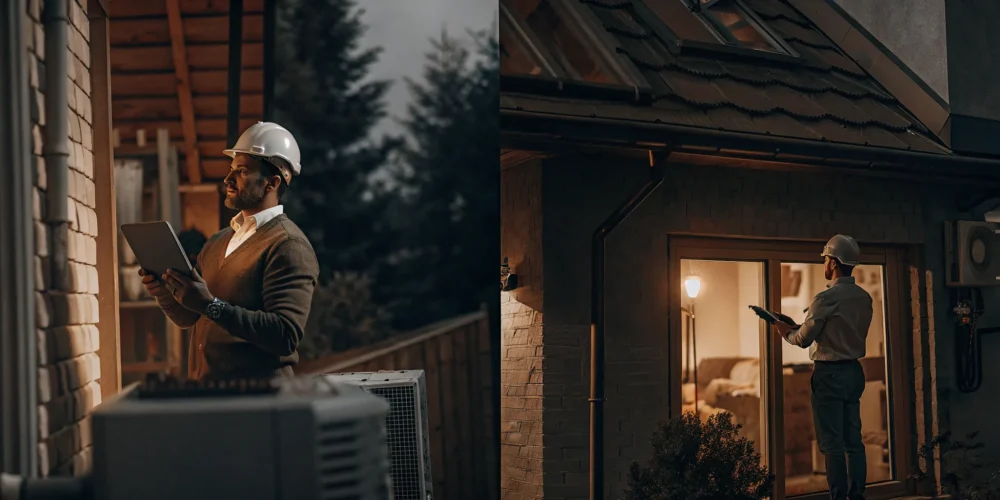
Mixing up a home appraisal with a home inspection often leads to big surprises right before you close. These two reviews look at the same house but serve unique goals for you and your lender. Knowing the difference protects your money and keeps your mortgage on track.
The home appraisal vs inspection choice is easy for any shopper who wants to know the difference between a home’s value and its safety. A home appraisal protects the lender by checking the property value, which is a standard rule for most loans according to Rocket Mortgage. A home inspection protects the buyer by finding hidden flaws like roof leaks, mold, or foundation cracks that could cost you thousands in expensive repairs. Knowing these roles helps you plan for your mortgage closing costs explained well while managing your expectations before you sign a contract. It also ensures you do not overpay for a house with serious structural issues and costly safety hazards during your home search.
Managing these steps is vital for any shopper who wants to avoid overpaying for a house. You must know how each review affects your budget and your loan approval. Learning each path allows you to make a smart choice during your home purchase.
Home Appraisal Vs Inspection: What Is a Home Appraisal?
A home appraisal determines how much the property is worth in the current market. It is a key step the lender requires before they approve your loan. Without this report, the bank cannot be sure the home is a good fit for the money they plan to lend you.
What appraisers look for
A licensed appraiser visits the home and takes notes on its size, layout, condition, and features. They compare the home to recent sales of similar properties in the area. These are called comparable sales or comps. The appraiser also looks at the neighborhood, lot size, and any upgrades. Their goal is to find a fair market value based on real data, not feelings.
When an appraisal is needed
Nearly every mortgage type requires an appraisal. This includes conventional loans, FHA loans, VA loans, and USDA loans. The lender wants to know the home is worth the purchase price before they hand over the funds. If you are looking at VA loan requirements or USDA loan requirements, both include this step in the process.
Cost and timeline
A home appraisal costs between $400 and $600. The buyer usually pays this fee either upfront or as part of closing costs. The appraiser submits the report within 2 to 7 days after the visit. If the appraisal comes in at or above the contract price, you are in good shape. If it comes in low, the deal may need a new price or extra cash from you to cover the gap.
What Is a Home Inspection?
A home inspection is a deep check of a home’s real state. Unlike an appraisal that looks for market value, an inspection looks for flaws. A pro inspector walks through the house to check its main parts. This includes the roof, foundation, walls, and floors. They also test the electrical, plumbing, and HVAC systems to ensure they work as they should.
What a home inspector looks at
Inspectors follow strict rules from groups like ASHI or InterNACHI. They search for safety risks and big repair needs. They test outlets, run the heat, and look for water leaks. The goal is to find hidden issues like mold or bad wiring before you buy the home. This step helps protect the buyer from costly shocks later.
Cost and who pays
The buyer mostly pays for the inspection. A standard check costs about $300 to $500. This price depends on where you live and how big the home is. You pay this fee right to the inspector at the site visit. It is a smart part of your mortgage shopping checklist because it gives you peace of mind.
The inspection contingency
Most buyers add a contingency to their offer. This clause lets you back out of the deal or ask for a lower price if the inspector finds big problems. While an inspection is not always required by law, it is a key move for any mortgage shopper. It gives you the facts you need to make a solid choice on your new home.
Home Appraisal vs Home Inspection: Key Differences
Buying a home has two main checks: the appraisal and the inspection. They may seem the same, but they have very different goals. One check looks at what the home is worth to a lender. The other looks at the physical state of the home for the buyer. Most complete mortgage shopping checklist guides say to get both to protect your money.
Market Value vs Physical State
An appraisal finds the fair market value of a house. This helps your lender see if the home is worth the loan amount. An inspection looks at the real state of the home. It finds safety issues or needed repairs like a leaky roof or bad pipes. The appraisal protects the lender from lending too much on a house. The inspection protects you as the buyer from hidden costs after you move in.
Who Does the Work
Pros who are trained or licensed do the price check. They use data from recent sales of like homes in the area to find a price. Home inspectors look at the physical parts of the house. They follow strict rules from groups like the American Society of Home Inspectors to check the frame, pipes, and heat. An appraiser might only spend a short time at the home. An inspector often takes some hours to check every small part.
| Feature | Home Appraisal | Home Inspection |
|---|---|---|
| Main Goal | Finds fair market value | Checks physical state |
| Required By | Lender (required) | Buyer (suggested) |
| Who Does It | Licensed or trained appraiser | Home inspector (often ASHI pro) |
| Average Cost | $400 to $600 | $300 to $500 |
| What is Checked | Comps and basic safety | Frame, roof, HVAC, pipes |
| Timing | After offer, before loan | During the due diligence period |
Reports and Results
The appraisal report goes to the lender and the buyer. If the value is low, you might need to pay more cash upfront or find a new price. The inspection report goes only to you. You can use this report to ask the seller for repairs or a credit toward your closing costs. If the inspection finds big problems, a rule in your contract may let you walk away from the deal and keep your cash.
When Does Each Happen in the Home Buying Process?
The timing of home inspections and appraisals is a key part of the closing timeline. Most buyers start with an inspection soon after their offer is accepted. The appraisal usually comes later once the lender starts processing the loan. Knowing when each step occurs helps you plan for the final understanding closing costs stage of your purchase.
The Typical Closing Timeline
The home buying process follows a set path from the day the seller signs your offer. This path includes several windows for checking the home’s value and physical state. Most buyers follow these seven steps to reach their closing day.
-
Offer accepted. The seller signs the purchase agreement. This starts the clock on your legal deadlines.
-
Due diligence period begins. This window usually lasts 7 to 14 days. You must hire a home inspector and get the site visit done during this time. Per Zillow, this gives you time to find physical issues with the home.
-
Inspection contingency ends. You review the report and ask the seller for any repairs. Once you reach an agreement, you move past the inspection phase.
-
Appraisal ordered by lender. Your lender will order the appraisal once they know you are moving forward after the inspection. This confirms the home is worth the loan amount for the bank.
-
Appraisal completed. An appraiser visits the home and compares it to other sales. You and your lender usually get the final report in 2 to 7 days.
-
Loan processing and underwriting. The lender checks your financial data and the appraisal report. They make sure the home meets all safety rules and value targets.
-
Closing. You sign the final papers and pay your closing costs. This is when the home officially becomes yours.
Timing Risks in Hot Markets
In some markets, buyers choose to waive the inspection to make their offer stand out. This means you skip the due diligence window and move straight toward the appraisal. While this can help you win a house, it also means you take on the risk of unknown repair costs.
A low appraisal can also slow down the process. If the value comes in below the contract price, you may need to renegotiate the price or pay the difference in cash. This is why many buyers keep a close eye on the calendar as they near the finish line.
What Happens When Issues Arise?
Most home sales move ahead without major trouble. But sometimes an appraisal or inspection turns up a problem that could stall the deal. Knowing your choices ahead of time helps you stay in control of your complete mortgage shopping checklist. When these reports reveal issues, both buyers and sellers must decide how to keep the sale moving or when to walk away.
Common inspection red flags
A home inspection focuses on the physical health of the house. According to Zillow, common red flags include foundation cracks, roof damage, or old electrical systems. Other serious finds might be mold or water damage in the crawlspace. These issues do not mean you cannot buy the home. But they do mean you need to think about future repair costs.
When an inspector finds a big problem, you have a few paths. You can ask the seller to fix the issue before you close. You might also ask for a credit to cover the cost of the work later. If the deal has an inspection contingency, you can often change the price or cancel the sale if the seller says no.
Handling a low appraisal
An appraisal protects the lender by making sure the home is worth the loan amount. If the appraiser finds the value is lower than your offer price, it creates a gap. Lenders will not fund a loan for more than the home is worth. This gap is a common hurdle, especially in fast-moving markets where prices rise fast.
If you face a low appraisal, you have four main ways to fix it. You can pay the gap in cash as a larger down payment. You can also try to talk the seller into a lower price to match the new value. Some buyers choose to dispute the appraisal if they find better home sales the appraiser missed. If none of these work, you can use your appraisal contingency to walk away from the deal and keep your deposit.
Structural defects and safety hazards
Both reports look for safety. An appraiser may flag items like missing rails or broken windows that could fail safety rules for FHA or VA loans. An inspector will look deeper into things like plumbing leaks or furnace health. Finding these issues early prevents surprise costs after you move in. It also ensures your home is a safe place to live from day one.
Why Both Matter for Your Mortgage Budget
Both an appraisal and an inspection add costs to your home purchase. But skipping either one could cost you far more in the long run. Knowing these fees ahead of time helps you plan your full budget and avoid surprises at closing.
Appraisal fees as part of your loan costs
The appraisal fee is a standard part of your closing costs. Along with the appraisal, you will pay for things like the loan origination fee, title insurance, and mortgage escrow explained in your final documents. Having a mortgage application documents checklist ready helps you budget accurately. Most lenders give you a loan estimate within three days of your application. This form lists the appraisal fee and other costs you can expect. Understanding mortgage amortization explained helps you see how these one-time fees relate to your ongoing payment structure.
Inspection fees and repair planning
You pay the home inspector directly at the time of the visit. This fee is not part of your loan closing costs. But the repair costs you find from the inspection could be significant. Setting aside 1% to 3% of the home price for possible repairs is a common rule. This is also a good time to review your complete mortgage shopping checklist to make sure you have a full picture of your expenses.
How Visbl helps you see the full picture
Knowing your total costs starts with knowing what you can afford. Visbl lets you compare real mortgage rates anonymously with just five simple inputs. You see your options in real dollars, not confusing APR numbers. That way, you know your price range before you start looking at homes and budgeting for appraisal and inspection fees. No spam calls. No shared data. Just clear, transparent rate shopping to help you make a confident move.
Frequently Asked Questions
Frequently asked questions about home inspections and appraisals help new buyers understand what to expect. Here are answers to the top questions mortgage shoppers ask.
What is the biggest red flag in a home inspection?
The biggest red flags in a home inspection include foundation cracks, roof damage that needs replacement. Outdated or unsafe electrical systems, mold or water damage, and failing HVAC systems. These problems can cost thousands of dollars to fix and may affect your ability to get homeowners insurance.
What comes first, appraisal or inspection?
In most real estate deals, the home inspection comes first during the due diligence period. This typically happens 7 to 14 days after the seller accepts your offer. The appraisal comes later after the lender starts processing your loan application.
How much is an appraisal for a 2000 sq ft house?
A home appraisal for a typical 2,000 square foot home costs between $400 and $600. The exact price depends on your location, the complexity of the property, and the local appraiser rates. The buyer usually pays this fee as part of closing costs.
What will fail a home appraisal?
Common issues that cause a home to fail an appraisal include major structural defects, health and safety hazards like missing railings. An inaccessible attic or crawlspace, lack of a permanent heat source, and major differences between the listed square footage and the actual measurement.
Can you waive a home inspection?
Yes, you can waive the inspection contingency, but it is not recommended. In competitive markets, some buyers skip the inspection to make their offer stronger. This means you accept the home in its current condition and cannot ask the seller for repairs after closing.
Ready To Find the Right Mortgage?
Knowing the difference between a home appraisal and a home inspection is one step toward a smarter home purchase. The next step is finding a mortgage that fits your budget with clear, real numbers you can trust.
Compare Real Mortgage Rates on Visbl
Visbl lets you browse mortgage rates from verified loan officers using just five simple inputs. No personal information required. No spam calls. No hidden fees. Just real rates in real dollars so you know exactly what you can afford before you start shopping for your home.
